
Experiencing trauma can leave lasting emotional, mental, and even physical scars. For women, the impact of trauma can be particularly profound, as it often intersects with other challenges, such as caregiving roles, societal expectations, or past abuse. At Luna Recovery for Women, we believe in empowering women to reclaim their lives after trauma through compassionate care and evidence-based healing strategies. Recovery is a journey, and every step you take is a victory.
Here are key steps to help you begin the process of healing after trauma.
Understand and Acknowledge Your Trauma
The first step in healing is recognizing and validating your experience. Trauma can manifest in many forms—whether it’s emotional, physical, or psychological. Acknowledging your trauma doesn’t mean reliving it; it means understanding its impact and giving yourself permission to begin healing.
If you’re unsure how to start this process, consider reaching out to a licensed therapist or counselor who specializes in trauma recovery. At Luna Recovery, we offer individualized therapy sessions to help women process their experiences in a safe and supportive environment.
For resources on understanding trauma and its effects, visit the National Center for PTSD.
Build a Support System
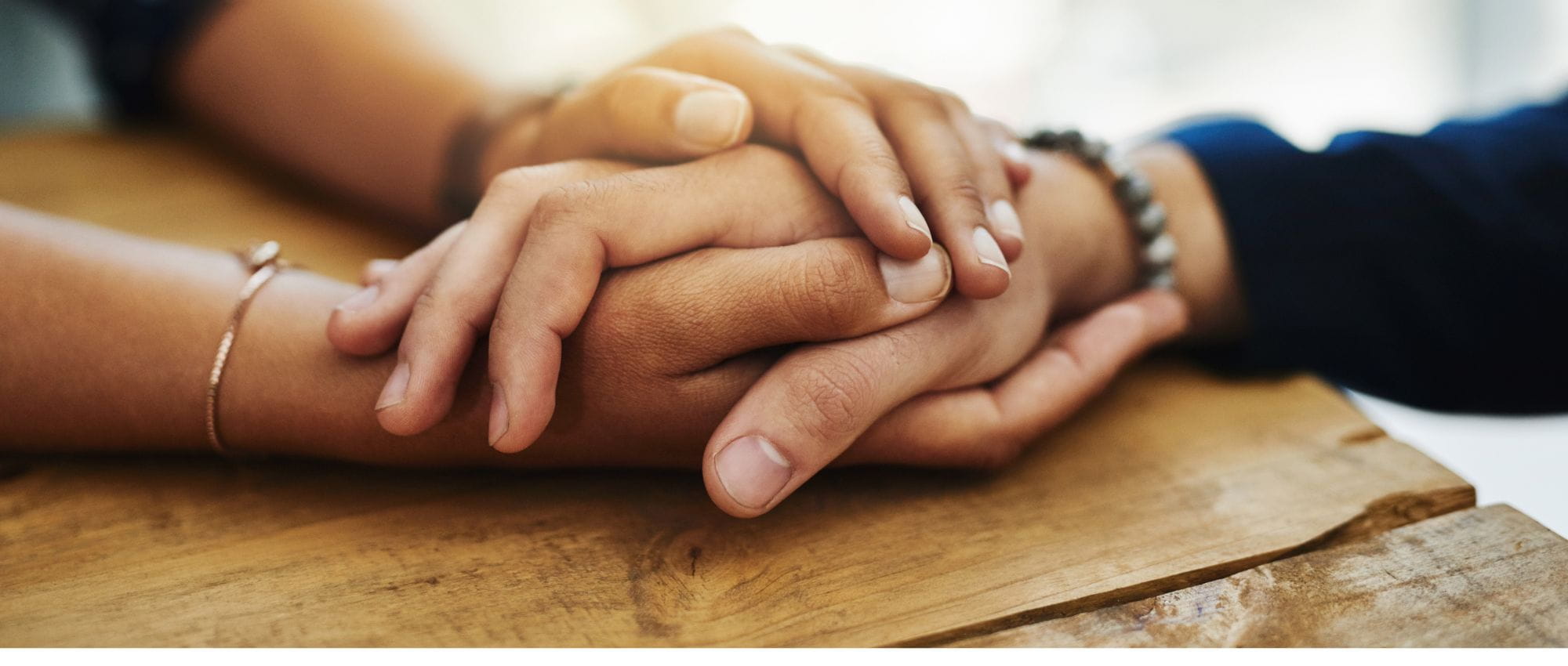
Healing is rarely a solitary process. Surrounding yourself with a support system of trusted friends, family, or peers can provide comfort and encouragement during your recovery. If sharing your experiences with loved ones feels overwhelming, consider joining a support group tailored to women recovering from trauma.
At Luna Recovery for Women, we foster a community where women can connect, share, and heal together. This sense of sisterhood can be a powerful source of strength and understanding.
Seek Professional Help
Trauma recovery often requires professional intervention. Therapies such as Cognitive Behavioral Therapy (CBT), Eye Movement Desensitization and Reprocessing (EMDR), and trauma-focused therapy are proven to help individuals process and heal from traumatic experiences.
At Luna Recovery, our team is trained in evidence-based approaches that prioritize your unique needs. Whether through individual therapy, group therapy, or holistic practices, we tailor treatment to your recovery journey.
Prioritize Self-Care
Self-care is an essential part of trauma recovery. This means making time for activities that nourish your body, mind, and spirit. Exercise, meditation, creative expression, or even simple practices like journaling can help you regain a sense of control and peace.
Be patient with yourself as you explore what self-care looks like for you. Recovery is not linear, and some days will feel harder than others. Remember, small steps are still progress.
For tips on self-care, check out the National Institute of Mental Health’s Self-Care Resources.
Set Boundaries
Healing often involves redefining relationships and setting boundaries with people or situations that may trigger painful memories. Boundaries are a way to protect your mental health and create a safe space for recovery.
If you struggle with setting boundaries, a therapist can help you develop strategies to communicate your needs effectively.
Learn more about setting healthy boundaries from Mind’s guide to setting boundaries.
Celebrate Your Progress
Healing from trauma is an ongoing journey, and every step forward is an achievement. Take time to acknowledge your progress, no matter how small it may seem. Reflecting on how far you’ve come can provide motivation to keep moving forward.
At Luna Recovery for Women, we celebrate every victory with our clients, big or small. Our goal is to help you rediscover your inner strength and resilience as you build a life free from the shadow of trauma.
Reach Out to Luna Recovery for Women Today
If you’re ready to take the first step toward healing your trauma, Luna Recovery for Women is here to support you. Our compassionate team provides personalized care in a women-centered environment designed to help you thrive. Reach out to us today for support and guidance when it comes to your trauma.