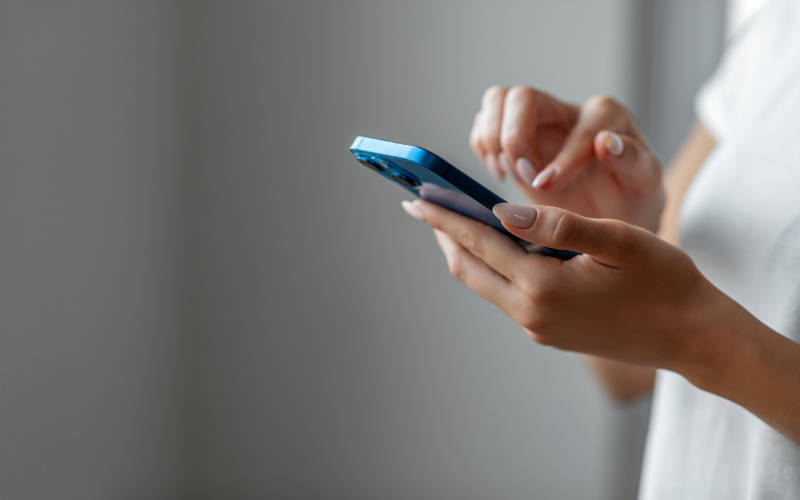
Social media has become deeply integrated into everyday life. Platforms like Instagram, Facebook, TikTok, and Snapchat allow people to stay connected, share experiences, and discover new information. While these platforms offer many benefits, they also create an environment where constant comparison has become almost unavoidable. Seeing carefully curated images, success stories, and seemingly perfect lifestyles can affect how individuals view themselves and their own lives.
Understanding the mental health effects of social media comparison is essential for anyone who spends time online. Recognizing the signs and learning how to create healthier digital habits can help protect emotional well-being and improve overall quality of life.
Call 888-491-3722 Today.
Our Admissions Counselors Are Here to Help You.
What Is Social Media Comparison?
Social media comparison occurs when people evaluate themselves against others based on what they see online. This can include comparing physical appearance, career achievements, relationships, financial status, fitness progress, or lifestyle choices.
Unlike real-life interactions, social media often showcases only the highlights of a person’s life. Users tend to share achievements, celebrations, vacations, and positive moments while omitting struggles, failures, and everyday challenges. As a result, viewers may compare their complete reality to someone else’s carefully edited highlight reel.
While occasional comparison is a normal human behavior, constant exposure to idealized content can create unrealistic expectations and negatively impact mental health.
How Does Social Media Comparison Affect Self-Esteem?
One of the most significant effects of social media comparison is reduced self-esteem. When individuals repeatedly see others who appear more successful, attractive, or fulfilled, they may begin to feel inadequate.
Research has shown that frequent social media use can increase feelings of self-doubt and dissatisfaction. Individuals may question their accomplishments, appearance, or life choices, even when they are objectively doing well.
Low self-esteem can manifest in several ways, including:
- Negative self-talk
- Increased self-criticism
- Difficulty recognizing personal achievements
- Feeling “not good enough”
- Seeking validation through likes and comments
Over time, these patterns can create a cycle where people rely on social media approval to feel valued, making them even more vulnerable to comparison.
Why Can Social Media Increase Anxiety?
Social media can contribute to anxiety by creating constant pressure to keep up with others. Many users feel compelled to maintain a certain image, respond quickly to messages, or stay informed about trends and events.
Comparison-related anxiety often stems from fears such as:
- Missing out on experiences (FOMO)
- Falling behind peers professionally or financially
- Not meeting societal standards of success
- Being judged by others
The endless stream of content can make it feel like everyone else is achieving more, having more fun, or living a better life. This perception can lead to chronic stress and worry, even when those assumptions are inaccurate.
Additionally, the need to continually check notifications and monitor engagement can create a state of heightened alertness that makes it difficult to relax and disconnect.
Can Social Media Comparison Contribute to Depression?
Yes, excessive social media comparison has been linked to symptoms of depression. Feelings of inadequacy, loneliness, and hopelessness can develop when individuals consistently believe they do not measure up to others.
When users spend significant time comparing themselves to idealized online portrayals, they may experience:
- Persistent sadness
- Reduced motivation
- Feelings of worthlessness
- Social withdrawal
- Loss of interest in activities they once enjoyed
While social media alone does not cause depression, it can worsen existing mental health challenges or contribute to emotional distress when used excessively.
People who already struggle with self-esteem or mental health concerns may be particularly vulnerable to the negative effects of online comparison.
How Does Social Media Comparison Affect Body Image?
Body image concerns are among the most common consequences of social media comparison. Platforms filled with edited photos, fitness influencers, beauty filters, and unrealistic standards can distort perceptions of what is normal and attainable.
Many users compare their appearance to highly curated images that may have been altered through filters, photo editing, professional photography, or cosmetic procedures.
This can lead to:
- Dissatisfaction with physical appearance
- Obsessive focus on flaws
- Unhealthy dieting behaviors
- Excessive exercise
- Increased risk of eating disorders
Young adults and teenagers are especially susceptible to body image issues because they are still developing their sense of identity and self-worth.
Learning to critically evaluate online content and recognize that many images are heavily edited can help reduce the impact of these comparisons.
What Are the Signs That Social Media Is Affecting Mental Health?
Recognizing the warning signs can help individuals take action before social media begins to significantly affect their well-being.
Common signs include:
- Feeling worse after using social media
- Frequently comparing yourself to others
- Becoming obsessed with likes, comments, or followers
- Experiencing anxiety when unable to check social media
- Feeling inadequate after viewing posts
- Spending excessive time scrolling
- Neglecting real-world relationships or responsibilities
If social media consistently leaves someone feeling unhappy, stressed, or emotionally drained, it may be time to reassess how these platforms are being used.
How Can People Reduce the Negative Effects of Social Media Comparison?
Fortunately, there are several strategies that can help create a healthier relationship with social media.
Curate Your Feed
Unfollow or mute accounts that trigger negative emotions or unrealistic comparisons. Instead, follow content that is educational, uplifting, or aligned with personal values.
Limit Screen Time
Setting boundaries around social media use can reduce exposure to comparison triggers and create more opportunities for meaningful offline experiences.
Practice Gratitude
Focusing on personal accomplishments, relationships, and positive experiences can shift attention away from what others have and toward what is already present in one’s own life.
Remember That Social Media Is Not Reality
Most people share only selected moments of their lives online. Recognizing that social media often presents an incomplete picture can help reduce unrealistic expectations.
Prioritize Real-Life Connections
Spending time with supportive friends, family members, and community groups can strengthen self-worth and provide meaningful social support.
Seek Professional Support When Needed
If social media comparison is contributing to anxiety, depression, low self-esteem, or other mental health challenges, speaking with a mental health professional can provide valuable guidance and coping strategies.
When Should Someone Seek Help for Social Media-Related Mental Health Concerns?
If feelings of sadness, anxiety, loneliness, or low self-worth persist despite efforts to make changes, professional help may be beneficial. Mental health challenges can affect every area of life, including relationships, work, physical health, and overall happiness.
Therapy can help individuals identify unhealthy thought patterns, develop healthier coping mechanisms, and build resilience against comparison-driven stress.
No one should feel like they have to face these challenges alone. Early intervention can make a significant difference in long-term emotional well-being.
Where Can Women Find Support for Mental Health and Recovery?
If social media comparison, anxiety, depression, or other mental health challenges are affecting your quality of life, compassionate support is available.
At Luna Recovery for Women, we understand the complex factors that impact mental health and emotional wellness. Our team provides personalized care in a supportive environment designed specifically for women seeking healing and recovery.
Located at 1270 Turnpike St, North Andover, MA 01845, Luna Recovery for Women offers comprehensive treatment and support to help women regain confidence, improve mental health, and build healthier lives.
If you or a loved one is struggling, call 888-491-3722 today to speak with our team and learn more about how we can help. Taking the first step toward support can be the beginning of lasting positive change.