
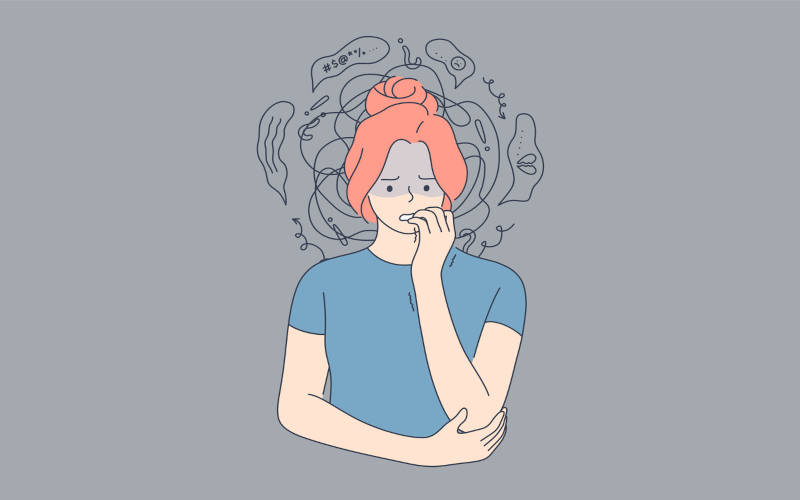
Panic attacks can be frightening, overwhelming experiences that often occur without warning. For many people, the sudden onset of intense fear and physical symptoms can feel like a medical emergency, leading them to believe they are having a heart attack, losing control, or even dying. While panic attacks are not typically life-threatening, they can significantly impact a person’s quality of life, relationships, work performance, and overall mental health.
Understanding what panic attacks are, why they happen, and how they can be treated is an important step toward recovery. With proper support and evidence-based treatment, individuals can learn to manage symptoms and regain confidence in their daily lives.
Call 888-491-3722 Today.
Our Admissions Counselors Are Here to Help You.
What Is a Panic Attack?
A panic attack is a sudden episode of intense fear or discomfort that reaches its peak within minutes. These episodes can occur unexpectedly or be triggered by specific situations, thoughts, or fears.
Panic attacks activate the body’s fight-or-flight response, releasing stress hormones that prepare a person to respond to danger. However, during a panic attack, this response occurs even when there is no immediate threat present.
A single panic attack does not necessarily mean someone has a panic disorder. Many people experience one or two panic attacks during their lifetime without developing a chronic anxiety condition. However, recurring panic attacks may indicate a more significant mental health concern that warrants professional attention.
What Are the Common Symptoms of a Panic Attack?
Panic attacks often involve both physical and emotional symptoms. Because the physical sensations can be so intense, many individuals initially seek emergency medical care.
Common symptoms include:
- Rapid heartbeat or heart palpitations
- Chest pain or discomfort
- Shortness of breath
- Feeling like you are choking
- Sweating
- Trembling or shaking
- Dizziness or lightheadedness
- Nausea or stomach distress
- Chills or hot flashes
- Numbness or tingling sensations
- Feelings of unreality (derealization)
- Feeling detached from oneself (depersonalization)
- Fear of losing control
- Fear of going crazy
- Fear of dying
Symptoms typically peak within 10 to 20 minutes, although some lingering effects can persist longer. Even after the attack subsides, individuals may feel exhausted, emotionally drained, or fearful of experiencing another episode.
What Causes Panic Attacks?
There is no single cause of panic attacks. Instead, they often result from a combination of biological, psychological, and environmental factors.
Researchers believe several factors may contribute, including:
Genetics
Panic disorders and anxiety disorders often run in families. Individuals with a close relative who experiences panic attacks may have a higher risk of developing similar symptoms.
Brain Function
Certain areas of the brain involved in fear processing and threat detection may function differently in people who experience panic attacks. These differences can contribute to heightened sensitivity to stress and anxiety.
Chronic Stress
Long-term exposure to stress can increase the likelihood of panic attacks. Financial pressures, relationship difficulties, work-related stress, caregiving responsibilities, or major life changes can all contribute to heightened anxiety levels.
Trauma
Past traumatic experiences, including abuse, neglect, accidents, violence, or other emotionally distressing events, can increase vulnerability to panic attacks.
Medical Conditions
Certain medical conditions may mimic or contribute to panic symptoms. Thyroid disorders, heart conditions, respiratory illnesses, and hormonal imbalances should be ruled out by a healthcare provider.
Substance Use
Alcohol, stimulants, caffeine, nicotine, and certain drugs can trigger panic attacks or worsen anxiety symptoms. Withdrawal from substances may also contribute to panic episodes.
How Do Panic Attacks Affect Daily Life?
The impact of panic attacks often extends far beyond the episodes themselves.
Many individuals begin to worry constantly about having another attack. This fear can lead to significant lifestyle changes and avoidance behaviors.
For example, someone who experiences a panic attack while driving may begin avoiding highways or driving altogether. A person who has an attack in a crowded store may stop shopping in public places.
Over time, this avoidance can interfere with:
- Employment
- School attendance
- Social relationships
- Travel
- Physical health
- Independence
In severe cases, repeated panic attacks can contribute to agoraphobia, a condition characterized by fear of situations where escape may be difficult or help may not be available during a panic episode.
What Is the Difference Between a Panic Attack and an Anxiety Attack?
Although the terms are often used interchangeably, panic attacks and anxiety symptoms are not exactly the same.
Panic attacks typically:
- Appear suddenly
- Reach peak intensity quickly
- Include intense physical symptoms
- May occur without an obvious trigger
Anxiety generally:
- Builds gradually over time
- Is often connected to a specific concern or stressor
- May persist for extended periods
- Usually involves less intense physical symptoms
Both experiences can be distressing and may benefit from professional treatment, but understanding the distinction can help individuals better recognize their symptoms.
How Are Panic Attacks Diagnosed?
Diagnosis typically begins with a comprehensive medical and psychological evaluation.
Because panic attack symptoms can resemble other medical conditions, healthcare providers often conduct tests to rule out physical causes. These may include:
- Physical examinations
- Blood tests
- Heart monitoring
- Thyroid function testing
Once medical causes are excluded, a mental health professional may assess symptoms, frequency, severity, and overall impact on daily functioning.
A diagnosis of panic disorder may be made when an individual experiences recurrent panic attacks and ongoing fear or behavioral changes related to future attacks.
What Treatments Are Available for Panic Attacks?
The good news is that panic attacks are highly treatable. Many people experience significant improvement through therapy, medication, lifestyle changes, or a combination of approaches.
Cognitive-Behavioral Therapy (CBT)
CBT is considered one of the most effective treatments for panic attacks and panic disorder.
This evidence-based therapy helps individuals:
- Identify anxious thought patterns
- Challenge catastrophic thinking
- Develop coping skills
- Gradually face feared situations
- Reduce avoidance behaviors
Over time, CBT can help retrain the brain’s response to anxiety and decrease the frequency and intensity of panic attacks.
Medication
Some individuals benefit from medication as part of their treatment plan.
Common options include:
- Selective serotonin reuptake inhibitors (SSRIs)
- Serotonin-norepinephrine reuptake inhibitors (SNRIs)
- Anti-anxiety medications in certain circumstances
Medication decisions should always be made in consultation with a qualified healthcare provider.
Exposure Therapy
Exposure-based techniques help individuals gradually confront situations they have begun avoiding due to panic attacks.
Through repeated exposure in a safe and structured environment, the brain learns that these situations are not inherently dangerous.
Trauma-Informed Treatment
For individuals whose panic attacks are connected to past trauma, trauma-focused therapies can address underlying emotional wounds contributing to anxiety symptoms.
What Self-Help Strategies Can Reduce Panic Attack Symptoms?
Professional treatment is often most effective, but self-help strategies can also support recovery.
Helpful approaches include:
Practicing Deep Breathing
Slow, controlled breathing can help counteract hyperventilation and reduce physical symptoms during a panic attack.
Limiting Caffeine and Stimulants
Reducing caffeine intake may decrease anxiety sensitivity and lower the likelihood of panic symptoms.
Exercising Regularly
Physical activity helps regulate stress hormones, improve mood, and promote overall emotional well-being.
Prioritizing Sleep
Poor sleep can increase vulnerability to anxiety and panic attacks. Establishing healthy sleep habits can support symptom management.
Practicing Mindfulness
Mindfulness techniques help individuals stay grounded in the present moment rather than becoming overwhelmed by catastrophic thoughts.
Can Panic Attacks Be Prevented?
While it may not always be possible to prevent every panic attack, treatment can significantly reduce their frequency and severity.
Long-term prevention strategies often include:
- Ongoing therapy
- Stress management techniques
- Healthy lifestyle habits
- Consistent sleep routines
- Medication adherence when prescribed
- Avoidance of substance misuse
Many individuals who once struggled with debilitating panic attacks go on to live full, productive, and meaningful lives.
When Should Someone Seek Professional Help for Panic Attacks?
Professional support should be considered whenever panic attacks begin interfering with daily life, relationships, work, or emotional well-being.
Seeking help early can prevent symptoms from worsening and reduce the risk of developing additional mental health concerns such as depression, substance use disorders, or severe anxiety disorders.
No one should have to face persistent fear, panic, or emotional distress alone. Effective treatment is available, and recovery is possible.
Get Panic Attack Treatment at Luna in North Andover, Massachusetts
If you or a loved one is struggling with panic attacks, anxiety, trauma, substance use, or co-occurring mental health challenges, professional support can make a meaningful difference.
Luna Recovery for Women provides compassionate, individualized care designed specifically for women seeking healing and lasting recovery. Our experienced team understands the complex connection between mental health, trauma, and addiction and offers evidence-based treatment in a supportive environment.
Luna Recovery for Women
1270 Turnpike St
North Andover, MA 01845
Phone: 888-491-3722
Take the first step toward healing today. Contact Luna Recovery for Women to learn more about our treatment programs and how we can help you build a healthier, more fulfilling future.