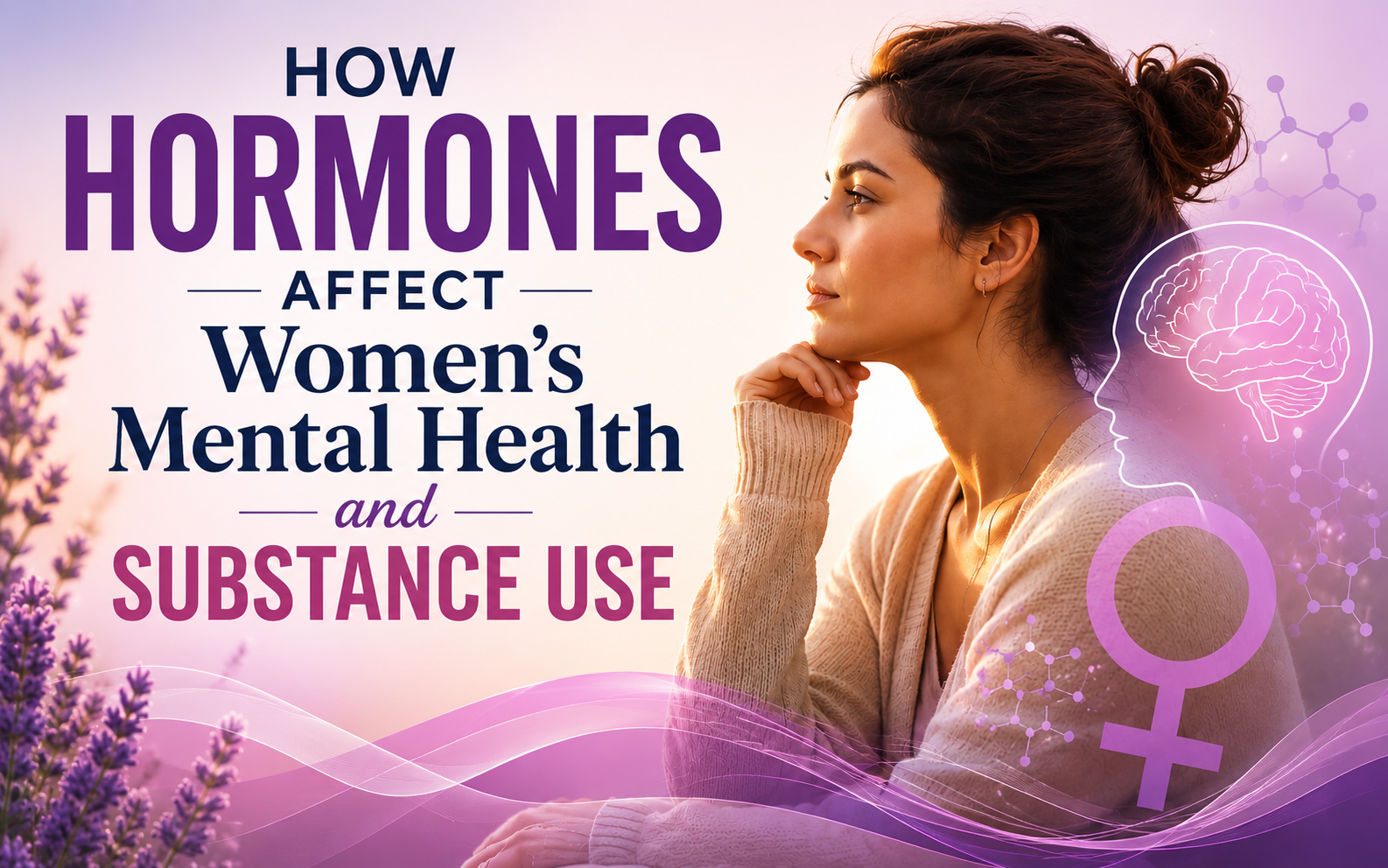
Hormones play a powerful role in women’s physical and emotional health. They influence mood, energy levels, stress responses, sleep patterns, and even the way the brain processes emotions and rewards. Because hormones affect so many parts of the body and mind, they can also have a significant impact on mental health and substance use.
For many women, hormonal changes throughout life can contribute to anxiety, depression, mood swings, and emotional distress. In some cases, these struggles may increase the risk of turning to drugs or alcohol as a way to cope. Understanding the connection between hormones, mental health, and addiction is an important step toward healing and recovery.
Women experience hormonal fluctuations during puberty, menstruation, pregnancy, postpartum recovery, and menopause. These natural changes can affect emotional stability and influence how women respond to stress, trauma, and addictive substances.
Call 888-491-3722 Today.
Our Admissions Counselors Are Here to Help You.
What Are Hormones and Why Do They Matter?
Hormones are chemical messengers produced by the body’s endocrine system. They help regulate many essential functions, including:
- Mood
- Sleep
- Appetite
- Reproduction
- Stress response
- Energy levels
- Brain function
Key hormones that affect women’s mental health include:
- Estrogen
- Progesterone
- Cortisol
- Serotonin
- Dopamine
- Oxytocin
When hormones become unbalanced or fluctuate rapidly, women may experience emotional and psychological symptoms that can impact daily life and overall well-being.
The Link Between Hormones and Mental Health
Hormones directly affect brain chemistry. Changes in estrogen and progesterone levels can influence neurotransmitters like serotonin and dopamine, which are responsible for regulating mood and emotions.
As hormone levels shift, women may experience:
- Anxiety
- Depression
- Irritability
- Mood swings
- Fatigue
- Difficulty concentrating
- Sleep disturbances
For some women, these symptoms are mild. For others, hormonal fluctuations can significantly impact mental health and increase vulnerability to substance use.
How the Menstrual Cycle Impacts Mental Health
Throughout the menstrual cycle, hormone levels naturally rise and fall. These fluctuations can affect emotional stability and stress tolerance.
Common Emotional Symptoms During the Menstrual Cycle
- Increased anxiety
- Irritability
- Sadness
- Low motivation
- Emotional sensitivity
Some women experience more severe symptoms through conditions such as:
- Premenstrual Syndrome (PMS)
- Premenstrual Dysphoric Disorder (PMDD)
PMDD is a more intense form of PMS that can cause severe depression, anxiety, anger, and emotional distress before menstruation begins.
Women struggling with these symptoms may sometimes use alcohol or substances to numb emotional discomfort or regulate mood temporarily.
Hormones and Substance Use During Adolescence
Puberty is one of the earliest periods of major hormonal change in a woman’s life. During adolescence, hormonal fluctuations combine with emotional development, peer pressure, and social stress.
Teen girls may become more vulnerable to:
- Anxiety disorders
- Depression
- Low self-esteem
- Risk-taking behaviors
- Substance experimentation
Research suggests that early emotional struggles during adolescence can increase the likelihood of developing substance use disorders later in life.
Providing emotional support, mental health education, and healthy coping strategies during these years is critical.
Pregnancy, Postpartum Hormones, and Emotional Health
Pregnancy causes dramatic hormonal changes that can strongly affect mental health. After childbirth, hormone levels drop rapidly, which may contribute to emotional challenges during the postpartum period.
Postpartum Mental Health Conditions May Include
- Postpartum depression
- Anxiety
- Panic attacks
- Mood swings
- Emotional numbness
Many women feel overwhelmed by the physical, emotional, and lifestyle changes that come with motherhood. Without proper support, some may turn to substances as a way to manage stress or emotional pain.
Postpartum mental health conditions are treatable, and early intervention can make a major difference in recovery and well-being.
The Role of Stress Hormones in Addiction
Cortisol, often called the “stress hormone,” plays a major role in addiction and mental health. When women experience chronic stress or trauma, cortisol levels can remain elevated for long periods.
High cortisol levels may contribute to:
- Anxiety
- Sleep problems
- Emotional exhaustion
- Increased cravings
- Depression
Many women struggling with addiction also have histories of chronic stress, trauma, or abusive relationships. Substance use may temporarily reduce feelings of stress, but over time it often worsens mental health symptoms and creates dependency.
Understanding the relationship between stress hormones and addiction is essential for long-term healing.
Trauma, Hormones, and Emotional Regulation
Trauma affects both the brain and the body. Women who experience trauma may develop hormonal imbalances that impact emotional regulation and stress responses.
Trauma can alter:
- Cortisol production
- Sleep cycles
- Nervous system functioning
- Emotional processing
As a result, women may experience heightened anxiety, emotional numbness, panic, or difficulty coping with daily stress.
This is one reason trauma-informed treatment is so important in addiction recovery for women. Addressing the underlying emotional pain can help women heal more effectively and reduce the risk of relapse.
Menopause and Increased Emotional Vulnerability
Menopause marks another significant hormonal transition in a woman’s life. As estrogen and progesterone levels decline, women may experience both physical and emotional symptoms.
Mental Health Symptoms During Menopause
- Depression
- Anxiety
- Irritability
- Brain fog
- Sleep disturbances
- Mood instability
For some women, these changes can increase emotional distress and lead to unhealthy coping behaviors, including alcohol or prescription medication misuse.
Supportive mental health care during menopause can help women manage symptoms in healthy and sustainable ways.
Why Women Are More Vulnerable to Co-Occurring Disorders
Women are more likely than men to experience co-occurring disorders, also known as dual diagnosis conditions. This means they struggle with both mental health disorders and substance use disorders at the same time.
Hormonal changes can intensify mental health symptoms, increasing the likelihood of self-medication through substances.
Common Co-Occurring Disorders in Women
- Anxiety disorders
- Depression
- PTSD
- Eating disorders
- Bipolar disorder
Integrated treatment that addresses both mental health and addiction simultaneously is often the most effective path toward recovery.
Healthy Ways to Manage Hormonal and Emotional Changes
While hormonal fluctuations are natural, there are healthy ways women can support emotional balance and mental wellness.
Helpful Coping Strategies Include
- Regular exercise
- Balanced nutrition
- Consistent sleep habits
- Stress management techniques
- Therapy and counseling
- Mindfulness and meditation
- Strong social support systems
Professional treatment can also help women better understand the connection between hormones, emotions, and substance use.
The Importance of Gender-Specific Treatment for Women
Women often benefit from treatment environments designed specifically around their experiences and needs. Women-only rehab programs provide:
- Trauma-informed care
- Mental health support
- Emotional safety
- Peer connection
- Hormone-informed wellness approaches
These programs recognize the complex relationship between hormones, emotional health, and addiction recovery.
Women deserve compassionate care that addresses the full picture of their physical and emotional well-being.
Find Support and Healing at Luna Recovery for Women
Women facing mental health challenges and substance use disorders deserve compassionate, specialized care. Understanding how hormones influence emotional health can be a powerful step toward healing and long-term recovery.
At Luna Recovery for Women, we provide a supportive environment designed specifically for women’s unique mental health and recovery needs. Our team is committed to helping women heal emotionally, physically, and mentally through personalized care and evidence-based treatment.
Contact Luna Recovery for Women
Recovery is possible, and support is available every step of the way.
Frequently Asked Questions
Yes. Hormonal fluctuations can influence mood, stress responses, and emotional regulation, which may increase vulnerability to substance use.
Hormonal changes, trauma exposure, social pressures, and biological differences can all contribute to higher rates of anxiety and depression in women.
Premenstrual Dysphoric Disorder (PMDD) is a severe form of PMS that causes intense emotional and psychological symptoms before menstruation.
Yes. Hormonal changes during menopause can contribute to anxiety, depression, irritability, and sleep disturbances.
Trauma can disrupt cortisol levels and nervous system function, making emotional regulation more difficult and increasing stress-related symptoms.
Integrated dual diagnosis treatment that addresses both mental health and substance use together is often the most effective approach.