
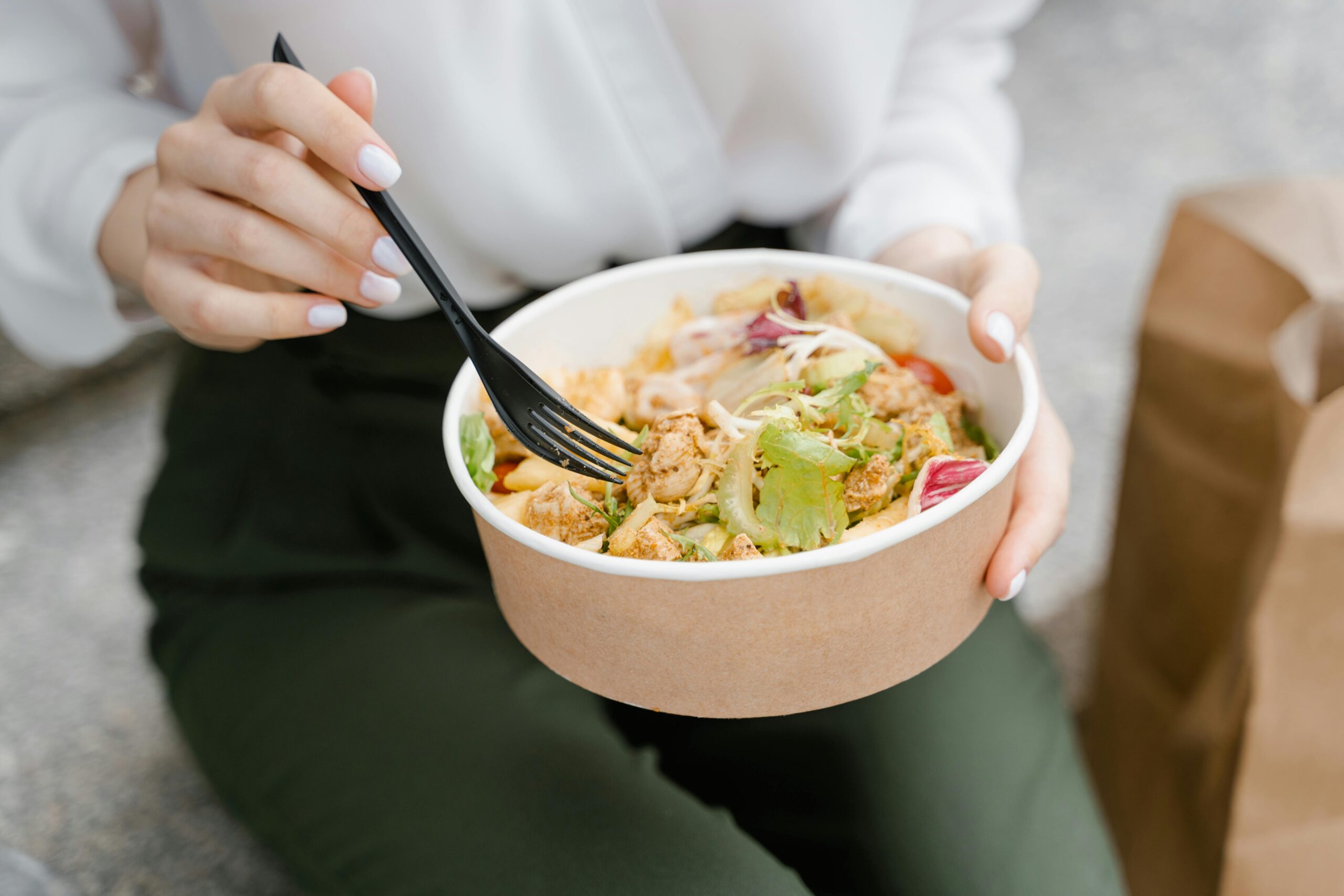
When it comes to mental health and mental wellness—particularly for women navigating recovery—food plays a more significant role than many of us realize. Our food choices affect not only our bodies but also our emotional and mental well-being. Here at Luna Recovery for Women, we believe in a holistic approach that addresses both body and mind. Below, we’ll explore how nutrition impacts mood and overall wellness, and offer tips for creating a balanced relationship with food in the recovery process.
1. Understanding the Food-Mood Connection
Nutritional Building Blocks for Emotional Health
Vitamins, minerals, antioxidants, and other nutrients found in whole foods directly affect our brain chemistry. For instance, nutrients like omega-3 fatty acids (found in salmon, chia seeds, and walnuts) have been linked to improved emotional regulation. Meanwhile, deficiencies in certain vitamins—such as Vitamin D or B-complex vitamins—can contribute to mood imbalances.
Balancing Blood Sugar
Spikes and dips in blood sugar can lead to irritability, fatigue, and mood swings. This is particularly challenging for those in recovery, where emotional stability is already a priority. Incorporating balanced meals and snacks rich in protein, complex carbohydrates, and healthy fats helps maintain steady energy levels throughout the day.
2. Special Considerations for Women in Recovery
Hormonal Fluctuations
Women’s bodies naturally undergo hormonal changes—daily, monthly, and throughout life stages like pregnancy and menopause. These hormonal shifts can magnify mood swings and cravings. A nutrient-dense diet can help stabilize hormonal fluctuations, especially when combined with professional support, therapy, and other recovery tools.
Emotional Eating vs. Mindful Eating
Women in recovery may find themselves using food to cope with stress, loneliness, or boredom. Emotional eating can lead to guilt and further emotional distress. Mindful eating, on the other hand, encourages paying attention to hunger and fullness cues, savoring each bite, and distinguishing between physical and emotional hunger. Learning to recognize the difference is an important step in building a healthy relationship with food.
3. Tips for Building a Balanced Relationship with Food
- Focus on Whole, Nutrient-Dense Foods
Opt for fruits, vegetables, whole grains, lean proteins, and healthy fats. These foods provide essential vitamins, minerals, and antioxidants to support both physical and emotional wellness. - Incorporate Lean Proteins and Healthy Fats
Foods like chicken, fish, lentils, nuts, seeds, and avocado provide sustaining energy and can help stabilize mood by preventing blood sugar crashes. - Limit Highly Processed Foods
High-sugar snacks, fast food, and refined carbohydrates can result in energy spikes followed by crashes, negatively impacting mood and energy levels. - Stay Hydrated
Even mild dehydration can contribute to fatigue and irritability. Aim for at least eight glasses of water a day, and be mindful of the dehydrating effects of caffeine. - Practice Mindful Eating
- Slow Down: Chew thoroughly and savor the flavors.
- Eat Without Distractions: Turn off the TV or put away your phone.
- Check In: Ask yourself if you’re physically hungry or if something emotional might be driving your desire to eat.
- Keep a Food and Mood Journal
Writing down what you eat and how you feel afterward can help you identify patterns and triggers. This practice is particularly beneficial if you’re exploring how diet impacts your recovery and mental health.
4. How Luna Recovery for Women Can Help
At Luna Recovery for Women, we understand that each individual’s relationship with food and body image is unique. Our approach aims to nurture both the mind and body through:
- Nutritional Guidance: We provide education on balanced eating, meal planning, and mindful eating strategies to support stable mood and energy.
- Therapeutic Support: Our licensed therapists and counselors offer evidence-based treatments to address emotional eating, body image issues, and other co-occurring challenges.
- Holistic Activities: From yoga and meditation to art therapy, we incorporate activities that enhance self-awareness and self-compassion, both of which are vital to developing a healthy relationship with food and self.
- Community and Peer Support: Connecting with other women on similar journeys fosters empathy, accountability, and a sense of belonging.
5. Cultivating a Lifelong Wellness Mindset
Recovery is about far more than abstaining from substances or harmful behaviors—it’s about reclaiming a sense of wholeness and wellness in every area of life. The food you eat and the way you nourish yourself play a significant part in this process. By understanding the powerful link between nutrition and emotional health, you can make informed decisions that set you on a path of balanced living.
Remember:
- The journey toward wellness is a marathon, not a sprint.
- Every small choice—like opting for a nutrient-rich snack instead of a sugary treat—helps support your physical, emotional, and mental stability.
- You don’t have to navigate this alone. Seek professional and peer support as you explore how food, mood, and overall well-being intersect on your path to recovery.
Resources
- Academy of Nutrition and Dietetics: EatRight.org
A resourceful site with articles, tips, and tools for a balanced diet. - National Institute of Mental Health: nimh.nih.gov
Offers resources on mental health, mood disorders, and how they relate to your overall well-being. - Mindful Eating Programs: The Center for Mindful Eating
Provides educational materials and resources on mindful eating practices. - Contact Luna Recovery for Women:
If you or a loved one is seeking a compassionate, holistic recovery program that addresses the unique needs of women, reach out to our team at Luna Recovery for more information on our therapeutic services and comprehensive support.
By nourishing your body with wholesome foods and learning to tune in to your emotional needs, you’re setting the stage for a more balanced mood, enhanced mental clarity, and improved overall wellness. At Luna Recovery for Women, we’re here to guide and support you every step of the way. Here’s to a healthier, brighter future—inside and out!